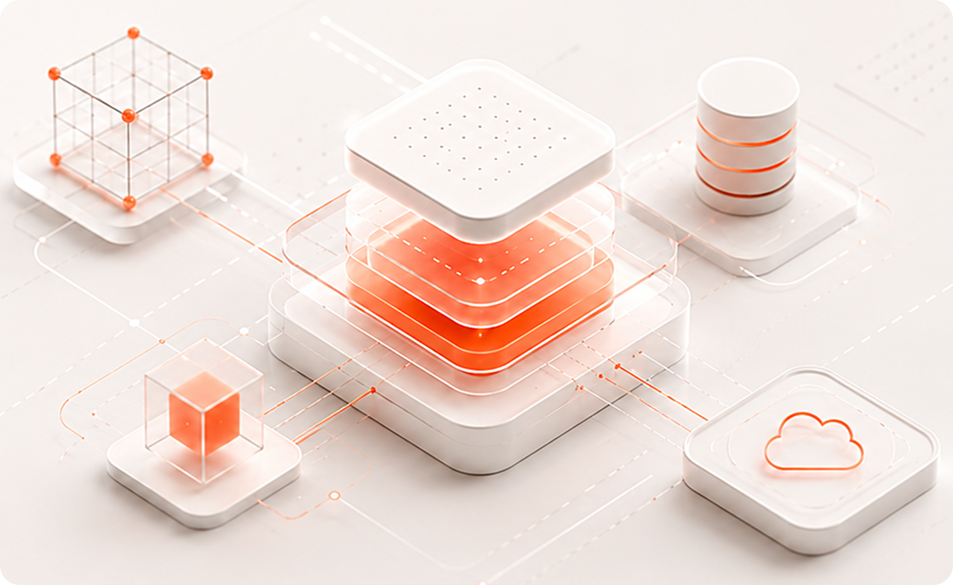
Modern SaaS products require architectural strategies that maintain system stability while supporting growth and feature expansion. As user demand increases, poorly designed systems often face performance bottlenecks, infrastructure failures, and rising maintenance costs. Scalable software architecture is not just a technical requirement – it is a strategic business foundation that enables SaaS companies to grow efficiently and deliver consistent customer experience.
Why Scalability Is Critical for SaaS Platforms
Unlike traditional software products, SaaS platforms operate in dynamic environments where user growth, data volume, and feature complexity constantly evolve.
When scalability is not properly planned, companies may experience:
• System slowdowns during traffic spikes
• Increased infrastructure costs
• Service downtime and customer churn
• Development limitations caused by technical debt
Scalable architecture ensures SaaS platforms can expand without disrupting performance or user experience.

Core Principles of Scalable SaaS Architecture
Multi-Tenant System Design
Multi-tenancy allows multiple customers to operate within a shared infrastructure while maintaining data isolation and security.
This approach improves resource utilization, reduces operational costs, and simplifies platform maintenance. Proper tenant isolation and load balancing mechanisms are critical for long-term scalability.
Microservices Architecture
Microservices break complex systems into independent services that can be developed, deployed, and scaled separately.
Benefits include:
• Faster development cycles
• Improved system reliability
• Independent scaling of high-demand modules
• Easier integration with third-party systems
However, microservices require strong orchestration and monitoring strategies to avoid service fragmentation.
Cloud-Native Infrastructure
Cloud-native architecture enables SaaS platforms to scale dynamically using distributed infrastructure and automated resource management.
Key elements include:
• Containerized environments
• Auto-scaling capabilities
• Load balancing
• Infrastructure as Code (IaC)
Cloud-native systems provide flexibility and cost efficiency while supporting global platform expansion.
Performance Optimization Strategies
API-First Development
Modern SaaS ecosystems rely heavily on APIs for system integration, mobile access, and partner platforms.
API-first architecture improves interoperability, accelerates development, and simplifies platform expansion.
Database Scalability and Data Management
As SaaS platforms grow, database performance becomes a critical factor. Horizontal scaling, distributed databases, and caching strategies help maintain performance during high-demand scenarios.
Proper data partitioning and indexing reduce latency and improve overall system responsiveness.
Observability and Monitoring
Scalable platforms require real-time monitoring tools that track system performance, user activity, and infrastructure health.
Observability helps engineering teams detect bottlenecks early, improve reliability, and optimize system behavior.
Enterprise Architecture That Drives Performance
Subscribe to receive architecture insights, SaaS updates, and expert perspectives from CID Software Solutions.
The Business Impact of Scalable Architecture
Companies that invest in scalable SaaS architecture gain significant competitive advantages:
• Faster product innovation
• Reduced operational risks
• Lower infrastructure costs over time
• Improved customer retention
• Ability to expand into new markets
Scalability transforms SaaS platforms from operational tools into strategic growth engines.
Common SaaS Scalability Mistakes
Many organizations struggle with scalability due to:
• Monolithic system architecture
• Poor infrastructure planning
• Lack of performance testing
• Limited DevOps automation
• Ignoring long-term growth projections
Addressing scalability early in the product lifecycle reduces expensive re-engineering efforts later.
How CID Software Solutions Supports SaaS Scalability
CID Software Solutions helps organizations design and implement scalable SaaS platforms through architecture consulting, cloud engineering, and full-cycle software development.
Our approach combines strategic system design with hands-on engineering implementation to ensure long-term platform performance and reliability.
Conclusion
Scalable architecture is a fundamental requirement for modern SaaS success. As digital products evolve and customer expectations increase, companies must build systems capable of supporting continuous growth and innovation.
Organizations that prioritize architectural scalability create sustainable SaaS platforms that deliver long-term business value.